
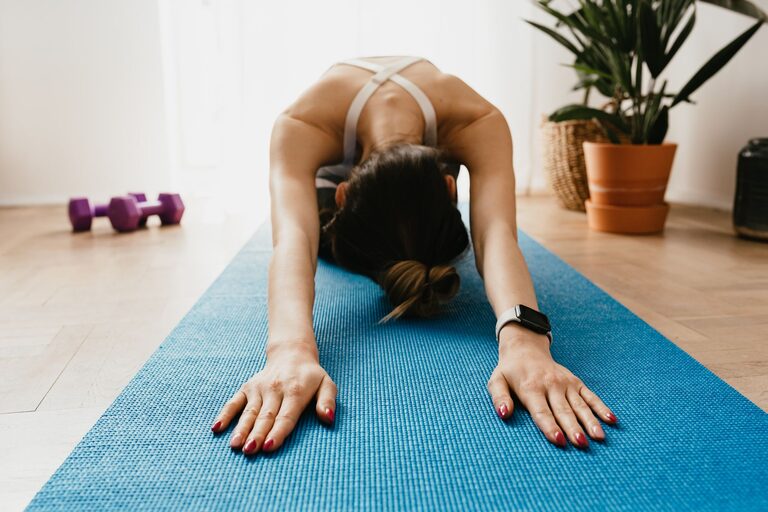
Stretching is a fundamental part of maintaining a healthy body and mind. Whether you’re looking to improve your flexibility, reduce muscle tension, or simply add a calming ritual to your day, stretching at home is an accessible way to achieve these goals. This beginner’s guide will walk you through the basics of stretching, provide a simple routine to follow, and offer tips to get the most out of your practice safely.
Why Stretching at Home Is a Great Idea
You don’t need a gym membership or expensive equipment to enjoy the benefits of stretching. Doing it at home offers several advantages:
– Convenience: Stretch anytime that suits your schedule.
– Comfort: Use your own space, wearing whatever feels best.
– Cost-effective: No need for gym fees or special gear.
– Relaxation: Create a calm environment with your favorite music or scents.
Understanding the Basics of Stretching
Before diving into stretches, it’s helpful to know a few simple principles.
Types of Stretching
– Static Stretching: Holding a stretch position for 15-60 seconds. Great for improving flexibility and cooling down.
– Dynamic Stretching: Moving through a range of motion repeatedly. Ideal as a warm-up before exercise.
– Passive Stretching: Using an external force (like a strap or gravity) to deepen the stretch.
– Active Stretching: Holding a stretch using your own muscle strength.
For beginners, static and dynamic stretching are most useful and easy to perform safely.
Safety Tips
– Warm up first: Do a light activity like walking in place for 5 minutes before stretching.
– Never stretch to the point of pain: A gentle pull or tension is enough.
– Breathe naturally: Don’t hold your breath when stretching.
– Be consistent: Regular practice yields the best results.
Simple Stretching Routine for Beginners
Here’s a straightforward routine you can follow daily or a few times a week. Aim to spend about 10-15 minutes.
1. Neck Stretch
– Sit or stand tall.
– Slowly tilt your head toward your right shoulder until you feel a gentle stretch on the left side.
– Hold for 20 seconds.
– Repeat on the left side.
2. Shoulder Rolls
– Stand or sit with arms relaxed.
– Slowly roll your shoulders forward in a circular motion 10 times.
– Reverse direction for 10 rolls.
3. Chest Opener
– Clasp your hands behind your back.
– Straighten your arms and gently lift your chest.
– Hold for 20 seconds while breathing deeply.
4. Seated Forward Bend
– Sit on the floor with legs extended straight.
– Slowly bend forward from your hips, reaching toward your toes.
– Hold as far as comfortable for 30 seconds.
– Keep your back as straight as possible.
5. Cat-Cow Stretch (Spine Mobility)
– Get on hands and knees.
– Arch your back upward (cat), tucking your chin to your chest.
– Then lower your belly toward the floor, lifting your head and tailbone (cow).
– Repeat 10 times, moving smoothly.
6. Hip Flexor Stretch
– Kneel on your right knee with left foot in front, knee bent at 90 degrees.
– Shift your weight forward gently until you feel a stretch at the front of your right hip.
– Hold for 30 seconds.
– Switch sides.
7. Standing Quadriceps Stretch
– Stand tall and hold onto a wall or chair for balance.
– Bend your right knee and grab your ankle behind you.
– Gently pull your ankle toward your buttock.
– Hold for 20 seconds, then switch legs.
8. Calf Stretch
– Stand facing a wall with your hands placed at chest height.
– Step your right foot back, keeping the heel on the floor.
– Lean forward until you feel a stretch in your right calf.
– Hold for 30 seconds, then swap sides.
Tips to Make Stretching Enjoyable and Effective
– Create a dedicated space: Choose a quiet, clutter-free area.
– Wear comfortable clothing: Loose or stretchy fabrics work best.
– Use props if needed: A yoga mat, strap, or cushions can help.
– Set a routine: Stretching at the same time every day helps build a habit.
– Listen to your body: Adjust stretches to your comfort level.
– Stay hydrated: Drinking water before and after can aid muscle function.
Tracking Progress and Staying Motivated
Keeping a simple journal or using a stretching app can help track which stretches you do and how you feel afterward. Celebrate small improvements in flexibility or ease of movement. Remember, results come with time and consistency.
When to See a Professional
If you experience sharp pain, dizziness, or discomfort during stretching, stop immediately. Seek advice from a fitness trainer or healthcare provider to ensure your routine matches your needs and any health conditions.
—
Stretching at home is an excellent way to support your overall health without complicated routines or equipment. Start gently, stay consistent, and enjoy the benefits of greater flexibility, reduced tension, and a more relaxed mindset. Happy stretching!