
Cleaning up after dinner can often feel like a daunting task, especially after a long day. However, with a few smart strategies and good habits, you can make dinner cleanup faster and easier. This post shares practical ideas to help you enjoy your meals without dreading the mess afterward.
1. Prepare for Cleanup Before You Start Cooking
One of the best ways to reduce cleanup time is to plan ahead.
Use Fewer Pots and Pans
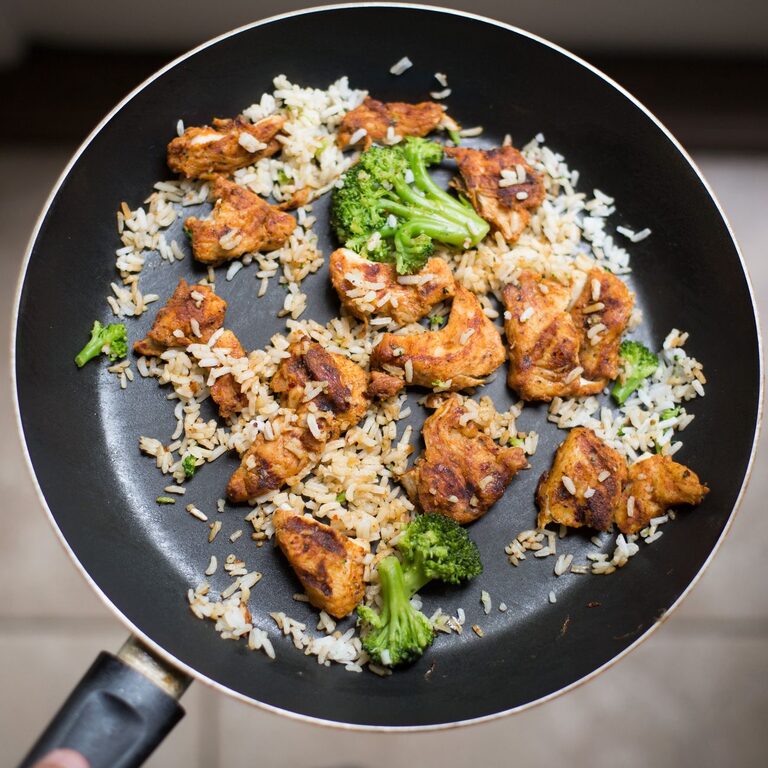
Try to choose recipes that use one or two pots or pans instead of many. For example, one-pot meals or sheet-pan dinners can minimize the number of dishes you’ll wash later.
Organize Your Workspace
Before cooking, clear your counters and set up a designated spot for dirty dishes. This will help keep the kitchen tidy and reduce clutter as you cook and eat.
Line Pans and Trays
Using parchment paper, aluminum foil, or silicone baking mats on trays and pans can prevent food from sticking and make cleanup quicker.
2. Clean as You Go
Cleaning as you cook can drastically reduce the pile of dishes after dinner.
– Wash cutting boards and utensils immediately after using them.
– Rinse pots, pans, and bowls between uses.
– Wipe down spills and splatters on countertops and stove as soon as they happen.
This habit means less mess remains once the meal is done.
3. Use Tools that Simplify Cleanup
Certain kitchen tools can make post-dinner cleaning easier.
Silicone Spatulas and Utensils
These are easier to clean than wooden or plastic ones and don’t retain stains or odors.
Dishwasher-Safe Cookware
Where possible, choose pots, pans, and utensils that can go directly into the dishwasher.
Baking Mats and Liners
As mentioned earlier, these prevent sticking and reduce scrubbing time.
4. Establish a Cleanup Routine
Having a consistent routine makes cleanup faster and less overwhelming.
Clear the Table Immediately
As soon as everyone is finished eating, clear plates, glasses, and silverware. Leaving dishes to sit increases the chance of food drying on and creating more work later.
Load the Dishwasher or Wash Dishes Right Away
Don’t let dishes pile up in the sink. Load the dishwasher or hand wash items promptly to keep your kitchen tidy.
Wipe Down Surfaces
After dishes are done, wipe down counters, stove, and the dining table to remove crumbs and spills.
5. Involve Everyone in Cleanup
Sharing cleanup tasks can make the process go faster and less tiring.
– Assign tasks based on age or ability—children can clear their own plates or help wipe tables.
– Make cleanup a family activity; turn on music or set a timer to add some fun.
6. Use Smart Storage Solutions
Organizing your kitchen tools and leftovers effectively can simplify cleanup.
– Keep frequently used items within easy reach to avoid unnecessary clutter.
– Store leftovers in stackable, easy-to-clean containers to reduce the number of dishes.
– Label leftover containers with dates to avoid forgotten food sitting too long.
7. Finish with a Quick Sweep and Mop
Once dinner dishes are done, don’t forget the floor.
– Sweep up crumbs and spills promptly so they don’t make a bigger mess.
– Spot clean any sticky or greasy areas when necessary.
This helps maintain a clean kitchen and makes next mealtime easier.
Bonus Tips for a Hassle-Free Cleanup
– Soak stubborn pots and pans right after eating to make scrubbing easier.
– Use natural cleaning sprays or wipes with pleasant scents to keep the kitchen fresh.
– Keep a small trash bowl on the table during dinner to collect scraps, reducing trips to the trash can.
—
By integrating even a few of these ideas into your dinner routine, cleanup time will shrink, and you’ll have more time to relax after meals. Remember, a little preparation and teamwork make a big difference!