
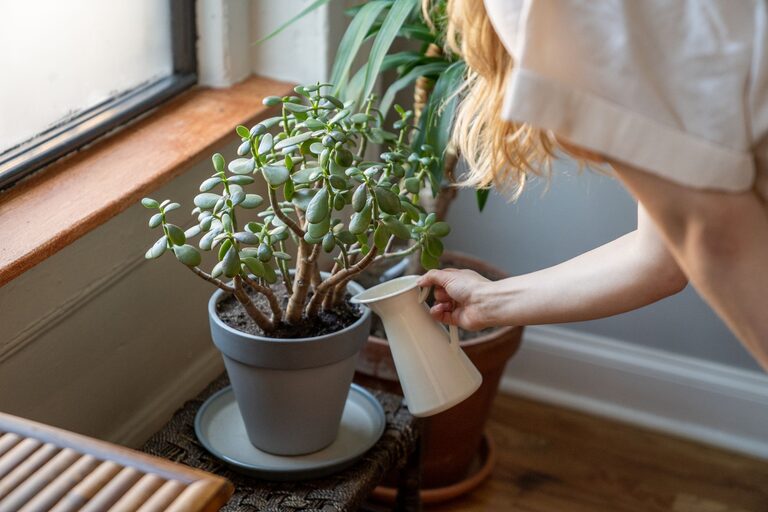
Bringing houseplants into your home is a wonderful way to add life, color, and freshness to your living space. However, keeping these plants healthy can sometimes be a challenge, especially for beginners. With the right care, your indoor plants can thrive and become a lasting part of your home decor. In this post, we’ll explore essential tips for maintaining healthy houseplants throughout the year.
Understanding Your Houseplant’s Needs
Each type of houseplant has its own preferences for light, water, and soil. The first step to keeping your plants happy is to understand these individual needs.
Light Requirements
Plants need light to perform photosynthesis, but the amount varies widely.
– Low Light Plants: Examples include snake plants and pothos. These can tolerate limited natural light.
– Bright, Indirect Light: Many tropical plants like peace lilies thrive in bright but indirect sunlight.
– Direct Sunlight: Succulents and cacti usually require several hours of direct sunlight daily.
Place your plants in a spot that matches their light needs. If natural light is insufficient, consider using grow lights designed for indoor plants.
Watering Right
Overwatering and underwatering are common causes of plant stress.
– Check the Soil: Before watering, feel the soil about an inch below the surface. If it’s dry, your plant probably needs water.
– Water Thoroughly: When you water, do so until water drains out of the pot’s bottom. This ensures roots receive moisture evenly.
– Avoid Waterlogging: Remove excess water from saucers to prevent root rot.
Adjust your watering schedule seasonally since plants tend to use less water in cooler months.
Choosing the Right Soil
The potting medium affects drainage and root health.
– Well-Draining Soil: Most houseplants prefer soil that drains well to avoid soggy roots.
– Specialty Mixes: Succulents and orchids often need specialized soil designed for their unique needs.
– Repot Periodically: Refresh the soil every 1-2 years to replenish nutrients and prevent compaction.
Maintaining Proper Humidity and Temperature
Indoor environments can sometimes be dry or too warm for certain plants.
– Humidity: Many tropical plants appreciate higher humidity. You can increase humidity by misting plants, grouping them, or using a humidifier.
– Temperature: Most houseplants prefer temperatures between 65-75°F but avoid placing them near heaters or air conditioners.
Regular Plant Maintenance
Keeping your plants healthy also means routine upkeep.
Pruning and Cleaning
– Remove Dead Leaves: Trim yellowing or dead leaves to promote new growth and prevent pests.
– Dust Off Leaves: Clean leaves periodically with a damp cloth to allow better light absorption.
Feeding Your Plants
Like any living organism, plants need nutrients to grow.
– Use Fertilizer: During the growing season (spring and summer), feed plants with a balanced, water-soluble fertilizer following label instructions.
– Avoid Overfeeding: Too much fertilizer can harm your plant, so less is often more.
Pest Monitoring
Keep an eye out for common indoor pests such as spider mites, aphids, and mealybugs.
– Early Detection: Inspect plants regularly for sticky residue, webbing, or holes.
– Natural Remedies: If pests appear, treat plants with insecticidal soap or neem oil.
Choosing the Right Pots and Placement
The container you select influences plant health.
– Drainage Holes: Pots should have drainage holes to prevent standing water.
– Size Appropriate: Choose a pot size suitable for your plant’s root system to avoid overcrowding or excessive soil moisture.
– Placement: Avoid drafty areas and sudden temperature changes that can stress plants.
Troubleshooting Common Problems
Even with care, plants can develop issues. Here are some signs and solutions:
– Wilting: Could be underwatering or root damage; check soil moisture.
– Yellow Leaves: Often a sign of overwatering or nutrient deficiency.
– Brown Leaf Tips: Sometimes caused by low humidity or fluoride in tap water.
– Leggy Growth: Indicates insufficient light; move plants closer to light sources.
Creating a Routine That Works for You
Consistency is key to healthy houseplants, but your schedule and lifestyle also matter.
– Set Reminders: Use phone alarms or calendar notes for watering and feeding.
– Observe Often: Spending time with your plants helps you notice changes early.
– Enjoy the Process: Caring for plants can be relaxing and rewarding.
Conclusion
Houseplants bring joy and freshness to any home when cared for properly. By understanding their needs for light, water, soil, humidity, and maintenance, you can help your greenery thrive. With a bit of attention and patience, your indoor plants will flourish and become a beautiful part of your daily life.
Happy planting!